

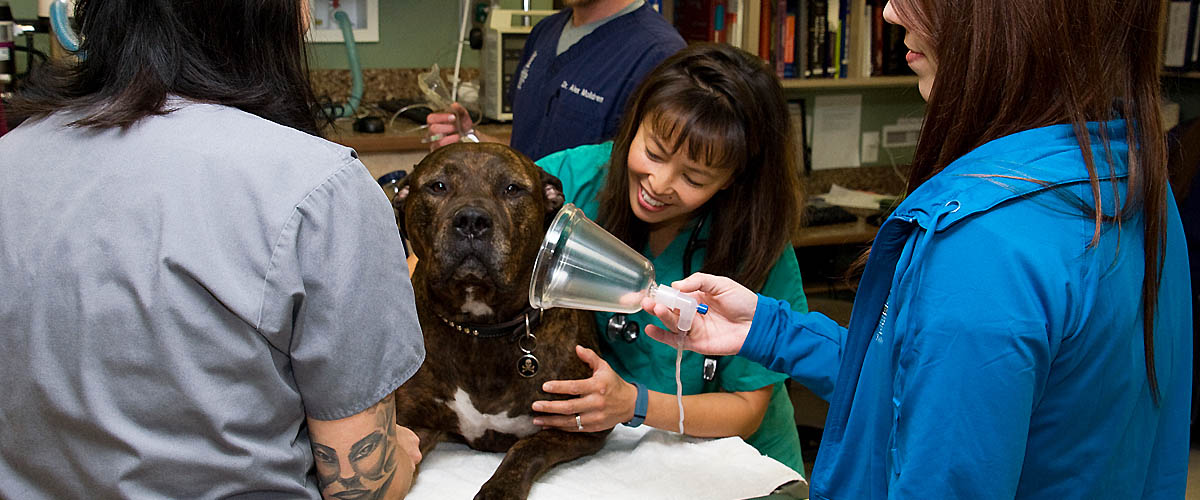
Allergies in Dogs and Cats with Dr. Danielle Rutherford



In this episode of ER VET, Dr. Justine Lee, DACVECC, DABT interviews Dr. Danielle Rutherford on allergies in dogs and cats. What are signs of allergies in our pets, and what can we do to prevent and treat them? Find out more to keep your dog or cat comfortable!
Listen to Episode #184 Now:
BIO:
Danielle Rutherford, VMD
Internal Medicine
Undergrad: Harvard University
Veterinary School: University of Pennsylvania School of Veterinary Medicine
Veterinary Internship: Veterinary Emergency and Referral Group, Brooklyn, NY
USDA accredited for International Travel Certificates
Transcript:
00:00:02.220 --> 00:00:03.980
Announcer: This is Pet Life Radio.
00:00:03.980 --> 00:00:05.060
Announcer: Let's talk pets.
00:00:26.390 --> 00:00:28.450
Dr. Justine Lee: Welcome to ER Vet on PetLife Radio.
00:00:28.450 --> 00:00:29.190
Dr. Justine Lee: I'm your host, Dr.
00:00:29.190 --> 00:00:33.750
Dr. Justine Lee: Justine Lee, and I'm an emergency critical care veterinary specialist and toxicologist.
00:00:33.750 --> 00:00:34.850
Dr. Justine Lee: Thanks for joining us.
00:00:34.850 --> 00:00:38.590
Dr. Justine Lee: Today, we're gonna be talking about all things allergies.
00:02:15.065 --> 00:02:16.465
Dr. Justine Lee: Super excited to speak with Dr.
00:02:16.465 --> 00:02:17.805
Dr. Justine Lee: Danielle Rutherford.
00:02:17.805 --> 00:02:18.105
Dr. Justine Lee: Dr.
00:02:18.105 --> 00:02:20.705
Dr. Justine Lee: Rutherford, thank you so much for joining us today.
00:02:20.705 --> 00:02:23.065
Dr. Danielle Rutherford: Thanks so much for having me, I'm excited to be here.
00:02:23.065 --> 00:02:29.825
Dr. Justine Lee: All right, just so our audience knows who you are, do you mind just telling us who you are, where you trained and what you do now?
00:02:29.825 --> 00:02:31.145
Dr. Danielle Rutherford: Of course.
00:02:31.145 --> 00:02:33.305
Dr. Danielle Rutherford: So I'm a small animal general practitioner.
00:02:33.305 --> 00:02:37.165
Dr. Danielle Rutherford: I'm located in New York City, which is where I was born and raised.
00:02:37.165 --> 00:02:46.345
Dr. Danielle Rutherford: I went to veterinary school at University of Pennsylvania, where I then went on to my internship back in New York at Veterinary Emergency Referral Group.
00:02:46.345 --> 00:02:50.825
Dr. Danielle Rutherford: And I've been here at West Side Veterinary Center since 2013.
00:02:50.825 --> 00:02:52.165
Dr. Justine Lee: And thank you for joining us today.
00:02:52.165 --> 00:02:57.545
Dr. Justine Lee: Today, I wanted to talk to you about something that we see all the time, and that's allergies.
00:02:57.545 --> 00:03:06.785
Dr. Justine Lee: And a lot of people don't even know that their dogs or cats can have allergies, and they think, oh, he's not sneezing or his nose isn't dripping, so he doesn't have allergies.
00:03:06.785 --> 00:03:12.305
Dr. Justine Lee: So tell me about the common symptoms to look for when it comes to allergies in dogs.
00:03:12.305 --> 00:03:13.525
Dr. Danielle Rutherford: That's a great question.
00:03:13.525 --> 00:03:14.425
Dr. Danielle Rutherford: You're absolutely right.
00:03:14.425 --> 00:03:17.365
Dr. Danielle Rutherford: Sometimes owners don't realize that allergies are going on.
00:03:17.365 --> 00:03:22.605
Dr. Danielle Rutherford: So allergy symptoms can vary depending on the cause of the allergy.
00:03:22.605 --> 00:03:33.325
Dr. Danielle Rutherford: Probably the most common symptoms we see relate more to environmental allergies, which can be things like grasses, molds, bug bites, or even dander.
00:03:33.325 --> 00:03:35.945
Dr. Danielle Rutherford: We see these symptoms come up with itchy skin.
00:03:36.365 --> 00:03:41.925
Dr. Danielle Rutherford: Our pets may be constantly licking or biting at their paws or toes or even their legs.
00:03:41.925 --> 00:03:45.985
Dr. Danielle Rutherford: Their eyes might be red or even the skin around their mouth or their feet.
00:03:45.985 --> 00:03:49.625
Dr. Danielle Rutherford: They might just be shaking and flapping their head if their ears are itchy.
00:03:49.625 --> 00:03:53.845
Dr. Danielle Rutherford: Or sometimes they do have these watery eyes and sneezing or runny nose.
00:03:53.845 --> 00:04:01.905
Dr. Danielle Rutherford: But we also can't ignore food allergies, which sometimes we can see itchy skin with but often just even vomiting or diarrhea.
00:04:01.905 --> 00:04:07.865
Dr. Justine Lee: Well, a lot of people, especially on the second part you talked about cats, they don't even realize cats can have allergies too.
00:04:07.865 --> 00:04:13.965
Dr. Justine Lee: And I have a cat that I actually adopted named Lola, who was found on the streets of Minneapolis by animal control.
00:04:13.965 --> 00:04:15.985
Dr. Justine Lee: She had absolutely no hair.
00:04:15.985 --> 00:04:21.385
Dr. Justine Lee: And our dermatologist had tested her and she had severe food allergies.
00:04:21.385 --> 00:04:26.325
Dr. Justine Lee: And people don't realize like just the hair loss, the excessive licking in the thigh area.
00:04:26.325 --> 00:04:29.925
Dr. Justine Lee: If your cat is constantly licking there, that could be a classic sign of allergies.
00:04:29.925 --> 00:04:31.785
Dr. Justine Lee: So please don't ignore those symptoms.
00:04:32.125 --> 00:04:38.665
Dr. Justine Lee: It's really, really uncomfortable and potentially painful for dog or cat to be constantly itchy, constantly licking.
00:04:38.665 --> 00:04:40.925
Dr. Justine Lee: You may think it's annoying when it happens at 2 a.m.
00:04:40.925 --> 00:04:45.565
Dr. Justine Lee: because it's like, but it's also annoying to them too.
00:04:45.565 --> 00:04:49.825
Dr. Justine Lee: So we want to make sure our pets are comfortable and getting treated for their allergies.
00:04:49.825 --> 00:04:55.505
Dr. Justine Lee: Now, what can pet owners do to help prevent or even alleviate allergies in their dogs?
00:04:55.505 --> 00:04:56.625
Dr. Danielle Rutherford: So you're absolutely right.
00:04:56.625 --> 00:04:59.225
Dr. Danielle Rutherford: These allergies can be really painful and irritating.
00:04:59.365 --> 00:05:02.325
Dr. Danielle Rutherford: So the more we can do to help them, the better.
00:05:02.325 --> 00:05:08.365
Dr. Danielle Rutherford: Absolutely, if possible, it's best to try to identify the cause of the allergies so we can avoid it.
00:05:08.365 --> 00:05:18.225
Dr. Danielle Rutherford: Whether it's doing things like limiting time in the grass on a spring day, if your dog is sensitive to grass, or even using protective clothing like booties or t-shirts.
00:05:18.225 --> 00:05:23.105
Dr. Danielle Rutherford: If there's something that they're coming in contact with, it's going to make them itchy on a regular basis.
00:05:23.105 --> 00:05:27.185
Dr. Danielle Rutherford: But it's also absolutely important to remember, flea and tick prevention.
00:05:27.425 --> 00:05:34.885
Dr. Danielle Rutherford: Even one of these bug bites can be super irritating, and it can lead to an allergy flare up that we can easily prevent.
00:05:34.885 --> 00:05:38.405
Dr. Danielle Rutherford: There's also a lot of over-the-counter things that pet owners can use.
00:05:38.405 --> 00:05:48.885
Dr. Danielle Rutherford: There's topical anti-itch sprays with a little cortisone or oatmeal, even moisturizing shampoos you can pick up at the pet store that tend to help relieve skin.
00:05:48.885 --> 00:05:50.765
Dr. Danielle Rutherford: But these are all temporary.
00:05:50.765 --> 00:05:57.305
Dr. Danielle Rutherford: We want to try to remove as much of these irritants as possible so we can get to the root of the problem before it starts.
00:05:57.305 --> 00:06:07.965
Dr. Danielle Rutherford: So I always recommend, if you're going out for a walk, when you come back in, washing your feet with a little warm water or even flushing your eyes to remove any pollens or irritants.
00:06:07.965 --> 00:06:14.385
Dr. Danielle Rutherford: You can use a product, such as the Project Watson eye wash, to help relieve some of that debris that gets in there.
00:06:14.385 --> 00:06:21.205
Dr. Danielle Rutherford: A lot of these pollens and dirt get in the eyes, and then they start rubbing, and that leads to really sore, red, runny eyes.
00:06:21.205 --> 00:06:25.825
Dr. Danielle Rutherford: And even ear cleaning, just doing routine ear cleanings to help take those things away.
00:06:25.825 --> 00:06:35.045
Dr. Justine Lee: I know even with my cat, as soon as she drinks even a tiny bit of dairy, she loses so much hair, and that's why she's actually on a hypoallergenic diet.
00:06:35.045 --> 00:06:41.945
Dr. Justine Lee: You know, we talked before about food allergies versus like almost spring allergies, what we call adipy or atopic dermatitis.
00:06:41.945 --> 00:06:45.325
Dr. Justine Lee: Food allergies is way less common than people think.
00:06:45.325 --> 00:06:50.905
Dr. Justine Lee: So you don't need to just automatically change your pet's food without counsel from a veterinarian.
00:06:50.905 --> 00:06:57.585
Dr. Justine Lee: But you know, in general practice, in emergency practice, I will say I will see some dogs who come in with such severe allergies.
00:06:57.585 --> 00:07:05.845
Dr. Justine Lee: A lot of pet owners don't even notice that in between their paws, it's really red or they have basically pus coming out of their ears or constantly itching.
00:07:05.845 --> 00:07:08.345
Dr. Justine Lee: They get a secondary ear infection.
00:07:08.345 --> 00:07:18.625
Dr. Justine Lee: And again, allergies is an underlying medical problem that has to be treated because otherwise we see secondary yeast infections or secondary bacterial infections.
00:07:18.625 --> 00:07:25.645
Dr. Justine Lee: So again, really important to work with your veterinarian or a veterinary dermatologist, to make sure that we're treating it appropriately.
00:07:25.645 --> 00:07:29.185
Dr. Justine Lee: We want to definitely make sure that we're doing what we can preventively.
00:07:29.185 --> 00:07:45.085
Dr. Justine Lee: But at the same time, if your dog or cat has significant disease, and oftentimes they need to go on an antibiotic if it's a bacterial infection, or even an antifungal if it's a yeast infection, there are certain medications that can decrease that itch or decrease that inflammation.
00:07:45.085 --> 00:07:47.145
Dr. Justine Lee: So definitely talk to your veterinarian about that.
00:07:47.145 --> 00:07:51.865
Dr. Justine Lee: Now, what's the best way to establish an allergy care routine for your dog?
00:07:52.465 --> 00:07:58.265
Dr. Danielle Rutherford: So I think the most important thing when getting a routine is finding a product that's easy for to use.
00:07:58.265 --> 00:08:03.145
Dr. Danielle Rutherford: So if you're going to pick anything, find something that's easy to find in a pet store and easy for your pet to tolerate.
00:08:03.145 --> 00:08:05.945
Dr. Danielle Rutherford: So make sure you're using a really gentle product.
00:08:05.945 --> 00:08:14.445
Dr. Danielle Rutherford: I do like to use eye and ear cleaners regularly, where you can set up a routine with your pet to give them regular cleaning, bathing as well.
00:08:14.445 --> 00:08:25.645
Dr. Danielle Rutherford: You know, I usually recommend that we try to bathe these pets at least every two weeks to relieve some of the pollen build up on their fur that can lead to scratching, that will eventually lead to these bacterial and yeast infections.
00:08:25.645 --> 00:08:35.025
Dr. Danielle Rutherford: So I always recommend using shampoo and conditioners that have oatmeal, which is really moisturizing for the fur and can also help to relieve itch.
00:08:35.025 --> 00:08:45.765
Dr. Danielle Rutherford: But also when you're using eye and ear products, use something with gentle ingredients like aloe that can help flush out those eyes and ears without burning or leaving sort of an irritating itchy sensation.
00:08:46.485 --> 00:08:51.925
Dr. Danielle Rutherford: So I tend to use products like the Project Watson eye and ear wash that have a little bit of the aloe juice.
00:08:51.925 --> 00:08:58.585
Dr. Danielle Rutherford: I kind of get a little cotton ball and I'll put a little bit of the cleaner and gently flush those eyes and ears to remove a lot of this debris.
00:08:58.585 --> 00:09:02.345
Dr. Danielle Rutherford: And I would start out using a routine like this maybe once a week.
00:09:02.345 --> 00:09:08.125
Dr. Danielle Rutherford: If you're not getting a lot of build up and your pet isn't super sensitive, you might be able to do it less often.
00:09:08.125 --> 00:09:17.725
Dr. Danielle Rutherford: But if you're getting a lot of debris out of the ears or crusts out of the eyes, it might be helpful to start doing that even two or three times a week to relieve some of this itch.
00:09:17.725 --> 00:09:18.665
Dr. Justine Lee: Great information.
00:09:18.665 --> 00:09:19.605
Dr. Justine Lee: Thank you so much, Dr.
00:09:19.605 --> 00:09:20.065
Dr. Justine Lee: Rutherford.
00:10:26.164 --> 00:10:29.524
Dr. Justine Lee: Today, we're talking about all things allergy related with Dr.
00:10:29.524 --> 00:10:31.044
Dr. Justine Lee: Danielle Rutherford.
00:10:31.044 --> 00:10:37.364
Dr. Justine Lee: And the reason why we're talking about this is because we see it all the time as spring and summer approach.
00:10:37.364 --> 00:10:43.144
Dr. Justine Lee: Now, when we see an itchy dog or cat, we've already talked about, we have to make sure it's not fleas or ticks.
00:10:43.144 --> 00:10:46.364
Dr. Justine Lee: And most pet owners will say, oh, I don't have any fleas in my house.
00:10:46.364 --> 00:10:51.444
Dr. Justine Lee: Remember, it could just be one flea bite that can cause this intense allergic reaction.
00:10:51.964 --> 00:11:04.384
Dr. Justine Lee: So, I live in Minnesota, we're winter six months out of the year, and I keep my dog on an oral flea and tick medication as soon as March happens, because ticks can survive even in Minnesota.
00:11:04.384 --> 00:11:11.244
Dr. Justine Lee: And I keep my dogs and my cat on it, actually till after a really hard frost, which is usually October.
00:11:11.244 --> 00:11:20.624
Dr. Justine Lee: So, when in doubt, you want to talk to your veterinarian about making sure that your dog and cat are on fast killing, fast working flea and tick medication.
00:11:21.504 --> 00:11:29.064
Dr. Justine Lee: The second most common reason we see itchy dogs and itchy cats is allergies or what we call atopic dermatitis.
00:11:29.064 --> 00:11:30.884
Dr. Justine Lee: And again, that may be more seasonal.
00:11:30.884 --> 00:11:42.564
Dr. Justine Lee: So, if you happen to notice that your dog or your cat is doing this more in the middle of the night and licking constantly, that is a sign licking in between their paws or somewhere.
00:11:42.564 --> 00:11:45.184
Dr. Justine Lee: That's a classic sign of allergies.
00:11:45.184 --> 00:11:48.504
Dr. Justine Lee: So again, you want to be able to make sure you're picking up on some of these signs.
00:11:49.064 --> 00:11:53.204
Dr. Justine Lee: Now, if it's not fleas, it's not atopic dermatitis.
00:11:53.204 --> 00:11:55.684
Dr. Justine Lee: And the third thing we worry about are food allergies.
00:11:55.684 --> 00:11:57.544
Dr. Justine Lee: And again, that's way less common.
00:11:57.544 --> 00:12:02.064
Dr. Justine Lee: And so again, please don't just switch your dog's food thinking it's going to help with the itching.
00:12:02.064 --> 00:12:06.944
Dr. Justine Lee: I'm also going to say, please don't just randomly put your pet on medications.
00:12:06.944 --> 00:12:11.644
Dr. Justine Lee: Remember, some over-the-counter medications can be poisonous to a dog or cat.
00:12:11.644 --> 00:12:15.464
Dr. Justine Lee: It could contain decongestants that can be really dangerous.
00:12:15.464 --> 00:12:25.104
Dr. Justine Lee: Some are safe, but please know in some veterinary studies that have been done, the use of oral diphenhydramine, which fancy word is Benadryl, isn't helpful.
00:12:25.104 --> 00:12:31.844
Dr. Justine Lee: So I see so many pet owners come in in the veterinary ER, and when I ask them, oh, what other medications is your dog on?
00:12:31.844 --> 00:12:34.164
Dr. Justine Lee: So many owners say Benadryl, and that's been debunked.
00:12:34.164 --> 00:12:35.924
Dr. Justine Lee: It doesn't actually help much.
00:12:35.924 --> 00:12:40.684
Dr. Justine Lee: So we've been talking about what we can do to prevent and alleviate allergies.
00:12:40.684 --> 00:12:41.664
Dr. Justine Lee: All right, Dr.
00:12:41.664 --> 00:12:44.984
Dr. Justine Lee: Rutherford, at what point would you recommend seeing a vet?
00:12:44.984 --> 00:12:50.104
Dr. Justine Lee: If you notice your dog's itching a little bit or licking a little bit, maybe once a week, what's your cutoff?
00:12:50.104 --> 00:12:54.804
Dr. Justine Lee: When do you make that decision on when they should go into a vet or even go into an ER vet?
00:12:54.804 --> 00:12:55.544
Dr. Danielle Rutherford: Great question.
00:12:55.544 --> 00:13:01.844
Dr. Danielle Rutherford: I always recommend if you reach that point where you think your pet is uncomfortable, it's absolutely time to see your vet.
00:13:01.844 --> 00:13:16.264
Dr. Danielle Rutherford: And really when you're thinking about the difference between emergency versus a regular visit, if there is any bleeding, odor, they're severely uncomfortable and can't stop itching or licking, I do think that's a time to go into the emergency room and get them treated.
00:13:16.624 --> 00:13:21.424
Dr. Danielle Rutherford: But it's also helpful to think about setting up those regular visits before you get to that point.
00:13:21.424 --> 00:13:42.904
Dr. Danielle Rutherford: If you find that your pet is licking their paws every night or scratching their ears every day, they're starting to smell a little different, their fur is a little greasy or there's crusts on their skin, that's a time to get in because we want to start using those proper shimpus and cleaning routines so that we can get a routine established so we notice when infections start to happen.
00:13:43.264 --> 00:13:47.984
Dr. Danielle Rutherford: because if we can get ahead of it, it'll help our pets feel more comfortable in the long term.
00:13:47.984 --> 00:13:54.784
Dr. Danielle Rutherford: You're absolutely right, just throwing them on some Benadryl, always seems like a good quick solution, but it's not really helpful in the long run.
00:13:54.784 --> 00:14:13.044
Dr. Danielle Rutherford: I often see so many times where these pets have been on Benadryl for months and months and months, and now finally they come to the vet and they've got a resistant staph infection, they've got really painful skin and it takes months of antibiotics, which have their own side effects on our gut and our immune health to kind of get them back on track.
00:14:13.044 --> 00:14:18.684
Dr. Danielle Rutherford: So if you think allergies are starting, I think it's good to even think about just talking about it at your next checkup.
00:14:18.684 --> 00:14:28.824
Dr. Danielle Rutherford: Maybe it's just getting a demonstration on how to clean the eyes and ears properly, or talking about special shampoos, or looking at the color and the texture of their hair coat and their skin.
00:14:28.824 --> 00:14:32.824
Dr. Danielle Rutherford: But anything we can do to get you in early makes a big difference in the long run.
00:14:32.824 --> 00:14:33.324
Dr. Justine Lee: All right.
00:14:33.324 --> 00:14:34.584
Dr. Justine Lee: Great information.
00:14:34.584 --> 00:14:39.224
Dr. Justine Lee: Now, is there a technique to help your dog better withstand treatments for the eyes and ears?
00:14:39.324 --> 00:14:52.504
Dr. Justine Lee: A lot of pet owners, they don't feel comfortable flushing or cleaning their pet's ears, their dogs are really wiggly, or if they have like a bulldog, like a French bulldog, their eyes are really bulgy, so it may be harder to flush out the eyes without hurrying them.
00:14:52.504 --> 00:14:54.404
Dr. Justine Lee: What advice do you have as a veterinarian?
00:14:54.404 --> 00:14:55.204
Dr. Justine Lee: Absolutely.
00:14:55.204 --> 00:14:56.404
Dr. Danielle Rutherford: I try to make it fun.
00:14:56.404 --> 00:14:57.324
Dr. Danielle Rutherford: That's number one.
00:14:57.324 --> 00:14:59.264
Dr. Danielle Rutherford: It shouldn't be a punishment for them.
00:14:59.264 --> 00:15:06.624
Dr. Danielle Rutherford: So I always recommend if you can have a second person with you that can help to comfort your pet and also provide a little bit of restraint.
00:15:06.624 --> 00:15:10.544
Dr. Danielle Rutherford: But more importantly, give them treats, make it rewarding to them.
00:15:10.544 --> 00:15:21.704
Dr. Danielle Rutherford: So we can use things like either biscuits, or even a Lick Mat, or a Kong as a distraction, anything that keeps them interested and distracted in what you're doing with their eyes and ears.
00:15:21.704 --> 00:15:27.924
Dr. Danielle Rutherford: I also try to avoid having bottles coming directly at them because that can be a little bit scary.
00:15:27.924 --> 00:15:38.704
Dr. Danielle Rutherford: So when I'm flushing the eyes, I usually put a little bit of eye cleaner on a cotton ball and just gently squeeze that over their eyes to run some of that liquid in gently without irritating the eyes.
00:15:38.704 --> 00:15:44.064
Dr. Danielle Rutherford: It also prevents the chance of you accidentally poking them in the eye with the tip of a bottle.
00:15:44.064 --> 00:15:45.444
Dr. Danielle Rutherford: Same with the ears.
00:15:45.444 --> 00:15:57.124
Dr. Danielle Rutherford: I generally will put a little bit of liquid inside the ear, massage the base of that ear canal, helps to loosen everything up, let it float to the surface, and then gently wipe it out with a cotton ball or a gauze.
00:15:57.124 --> 00:15:58.724
Dr. Danielle Rutherford: It doesn't have to be scary.
00:15:58.724 --> 00:16:07.264
Dr. Danielle Rutherford: Your fingers are not going to cause any trauma, but we don't want to put any Q-tips or other sharp objects into the ear, just cotton balls are fine.
00:16:07.264 --> 00:16:10.084
Dr. Danielle Rutherford: With enough massaging, you can get that debris out.
00:16:10.084 --> 00:16:12.524
Dr. Danielle Rutherford: You don't have to go digging too much.
00:16:12.524 --> 00:16:13.264
Dr. Justine Lee: Rate that enough.
00:16:13.264 --> 00:16:20.364
Dr. Justine Lee: A lot of people will say, oh, you know, I have leftover eye medication or ear flush from my dog from 10 years ago.
00:16:20.364 --> 00:16:22.264
Dr. Justine Lee: I'm just going to go ahead and use that.
00:16:22.264 --> 00:16:24.184
Dr. Justine Lee: You have to be really cautious about that.
00:16:24.184 --> 00:16:26.764
Dr. Justine Lee: And the biggest thing that I see is contamination.
00:16:26.764 --> 00:16:34.084
Dr. Justine Lee: So maybe your dog had an ear infection or a yeast infection in the left ear, and you touched the tip into the left ear and then did it into the right ear.
00:16:34.304 --> 00:16:37.764
Dr. Justine Lee: You could actually spread the yeast infection into the opposite ear.
00:16:37.764 --> 00:16:39.944
Dr. Justine Lee: So when in doubt, I know it's a little bit hard.
00:16:39.944 --> 00:16:44.964
Dr. Justine Lee: When in doubt, ask your veterinary technician, your veterinarian to show you how to do it.
00:16:44.964 --> 00:16:47.344
Dr. Justine Lee: You can also have them do it too.
00:16:47.344 --> 00:16:54.544
Dr. Justine Lee: I do that sometimes in the emergency room when I'll be examining a dog and I'll open up their ears by just lifting up their floppy ears.
00:16:54.544 --> 00:16:58.684
Dr. Justine Lee: And I'll be like, oh, there's like pus pouring out and the pet owners didn't even notice.
00:16:58.684 --> 00:17:04.924
Dr. Justine Lee: This sounds a little bit weird, but if your dog or cat has like a malodorous smell, you have to investigate it and you have to treat it.
00:17:04.924 --> 00:17:19.404
Dr. Justine Lee: You know, maybe you haven't bathed them in a couple of months, but you know, when it comes down to it, if they truly have something that smells bad, you have to look for the source and treat that source, because you can imagine how painful it is to have an ear infection if you're a kid or if you have a kid.
00:17:19.404 --> 00:17:21.084
Dr. Justine Lee: Same exact thing for dog and cat.
00:17:21.084 --> 00:17:25.004
Dr. Justine Lee: They really mask their pain and it can be really painful.
00:17:25.604 --> 00:17:39.304
Dr. Justine Lee: I remember consulting with a veterinary behaviorist when I was a vet student and I was sitting in on the exam and the owners had paid $200 for a veterinary behaviorist exam because the dog was being really aggressive when the kid went near the head.
00:17:39.304 --> 00:17:42.564
Dr. Justine Lee: And it turns out the dog had a really severe ear infection.
00:17:42.564 --> 00:17:44.064
Dr. Justine Lee: And that's why it was so painful.
00:17:44.064 --> 00:17:47.464
Dr. Justine Lee: So one in doubt, make sure you care for those ears and eyes.
00:17:47.464 --> 00:17:50.184
Dr. Justine Lee: Granted they have two, but we want to preserve both of them.
00:17:50.184 --> 00:17:51.544
Dr. Justine Lee: We want to preserve their sight.
00:17:51.544 --> 00:17:52.884
Dr. Justine Lee: We want to preserve their hearing.
00:17:53.364 --> 00:18:00.284
Dr. Justine Lee: We want to make sure that your dog or cat isn't uncomfortable or painful from those allergies or itching all the time.
00:18:00.284 --> 00:18:00.564
Dr. Justine Lee: Dr.
00:18:00.564 --> 00:18:02.384
Dr. Justine Lee: Rutherford, thank you so much for joining.
00:18:02.384 --> 00:18:04.624
Dr. Justine Lee: Any last tips that you want to leave with us?
00:18:04.624 --> 00:18:05.664
Dr. Danielle Rutherford: This has been great.
00:18:05.664 --> 00:18:11.764
Dr. Danielle Rutherford: I think that the most important thing to do is try to set yourself up with that regular routine.
00:18:11.784 --> 00:18:17.784
Dr. Danielle Rutherford: Once you get in there and get in the habit of cleaning our eyes and ears regularly, you'll start to notice if anything's different.
00:18:17.784 --> 00:18:26.464
Dr. Danielle Rutherford: If you start to see redness or you start to see odor, or you see that buildup, that's a different color than you've been cleaning out of the ears, that's an early sign something's going on with your pet.
00:18:26.464 --> 00:18:28.444
Dr. Danielle Rutherford: And the sooner, the better, get them in.
00:18:28.444 --> 00:18:30.844
Dr. Danielle Rutherford: So try to get that routine going early.
00:18:30.844 --> 00:18:33.404
Dr. Danielle Rutherford: But I think these have all been little tips.
00:18:33.404 --> 00:18:34.564
Dr. Danielle Rutherford: You know, always ask your vet.
00:18:34.564 --> 00:18:36.824
Dr. Danielle Rutherford: We're always available to answer questions.
00:18:36.824 --> 00:18:41.624
Dr. Danielle Rutherford: If you aren't sure about your pet having allergies, just bring it up at your checkup.
00:18:41.624 --> 00:18:47.084
Dr. Danielle Rutherford: It's better to talk about it and say no, they're okay than to let them go and treat it.
00:18:47.084 --> 00:18:54.224
Dr. Justine Lee: I'll also say one a doubt if you're making an appointment, please make sure I do the same thing for my parents or when I go to the medical doctor.
00:18:54.224 --> 00:18:56.664
Dr. Justine Lee: I keep a running list of questions that I want to ask.
00:18:56.664 --> 00:19:11.424
Dr. Justine Lee: Now, granted, we don't want like more than 10, but my general rule is you want to make sure you're asking those questions in that coveted 20 to 30 minute time period that you have so you can make sure you're taking care of your pet and that you're an advocate for your dog and cat as best you can.
00:19:11.424 --> 00:19:11.944
Dr. Justine Lee: Well, Dr.
00:19:11.944 --> 00:19:13.964
Dr. Justine Lee: Rutherford, thank you again so much.
00:19:13.964 --> 00:19:17.704
Dr. Justine Lee: Love what you do and really appreciate you for working in veterinary medicine.
00:19:17.704 --> 00:19:18.444
Dr. Danielle Rutherford: Thank you so much.
00:19:19.044 --> 00:19:21.504
Dr. Justine Lee: Well, that brings me to the end of today's show.
00:19:21.504 --> 00:19:29.964
Dr. Justine Lee: Find me at drjustinelee.com, on Facebook or Instagram at DrJustineLee, or email me or pet questions at DrJustine at petliferadio.com.
00:19:29.964 --> 00:19:33.124
Dr. Justine Lee: With that, we're out of time and we want to thank our guests, Dr.
00:19:33.124 --> 00:19:36.704
Dr. Justine Lee: Rutherford and Mark Winter, our producer, for making this show possible.
00:19:36.704 --> 00:19:38.544
Dr. Justine Lee: See you at the next episode.
00:19:38.544 --> 00:19:41.904
Announcer: Let's talk pets, every week, on demand.
00:19:41.904 --> 00:19:44.564
Announcer: Only on petliferadio.com.